
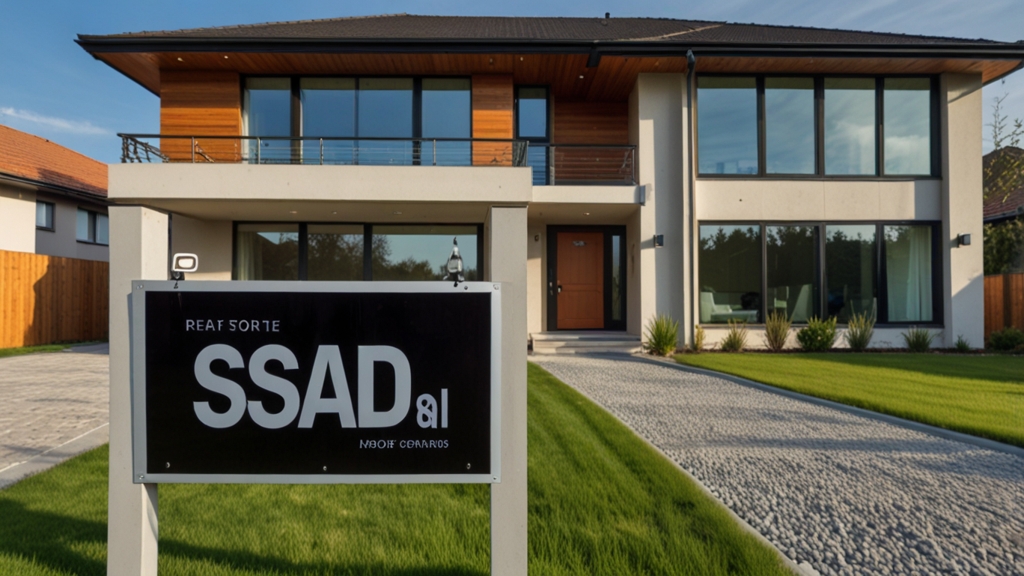
Buying a House As Is: What You Need to Know
The real estate market offers many opportunities, and one option that often catches the attention of budget-conscious buyers is purchasing a house “as is.” This straightforward approach can lead to significant savings, but it also comes with important considerations that every buyer should understand before making this commitment. Let’s explore what buying a house as is really means and how to navigate this purchase successfully.
Understanding “As Is” Sales
When a property is listed as “as is,” it means the seller is not willing to make repairs or improvements before closing the sale. The buyer accepts the home in its current condition, whatever that may be. This doesn’t necessarily mean the house is in terrible shape—it could be a perfectly fine property where the owner simply prefers not to handle repairs themselves, or they may need a quick sale.
As is sales are common with foreclosures, bank-owned properties, inherited homes, and properties where sellers are relocating quickly. Understanding this distinction helps buyers approach these deals with realistic expectations.
The Financial Benefits and Risks
One of the primary reasons buyers are attracted to as is properties is the price reduction. Homes sold as is typically cost 5-20% less than similar properties in good condition, depending on the extent of needed repairs. For a $300,000 property, this could mean savings of $15,000 to $60,000.
However, these savings can quickly evaporate if you don’t conduct proper due diligence. A $50,000 price reduction might seem attractive until you discover $80,000 in needed roof repairs. This is where many inexperienced buyers run into problems. Always remember: the discount you’re receiving should reasonably reflect the actual cost of repairs needed.
The Importance of Professional Inspections
This cannot be overstated: get a professional home inspection. While it costs $300-500, it’s perhaps the most critical investment you’ll make in an as is purchase. A thorough inspection will identify structural issues, electrical problems, plumbing concerns, roofing conditions, HVAC functionality, and more.
Beyond the standard inspection, consider getting specialized inspections for:
- Termite and pest inspections – These can reveal expensive damage from wood-destroying insects
- Radon testing – A colorless, odorless gas that poses health risks
- Mold inspections – Particularly important in humid climates
- Asbestos and lead paint assessments – Critical for older homes built before regulations changed
- Foundation inspections – Can identify costly structural problems
These additional inspections might add $500-1,500 to your inspection costs, but they could save you tens of thousands of dollars in unexpected repairs.
Getting Accurate Repair Estimates
Armed with your inspection report, the next step is obtaining repair estimates from licensed contractors. Don’t settle for just one estimate; get at least three quotes for major repairs. This protects you from overpriced contractors and gives you a realistic picture of repair costs.
When gathering estimates, provide contractors with the inspection report details. Professional estimates should be itemized and detailed. Request that contractors specify which repairs are necessary for safety and functionality versus cosmetic improvements. This helps you prioritize spending and make informed decisions about which repairs to tackle immediately versus which can wait.
Financing Considerations
Traditional mortgages can be challenging for as is properties, particularly if significant repairs are needed. Some lenders may refuse to finance homes requiring major repairs. However, several options exist:
- FHA 203(k) loans – Designed specifically for fixer-uppers, these allow you to borrow money for both the purchase and repairs
- Conventional renovation loans – Available through some lenders for properties needing repairs
- Home equity loans or lines of credit – If you have existing equity, you might use this after purchase
- Cash purchases – If you have the funds, this eliminates financing concerns
Discuss financing options with your lender early in the process. Knowing what you can afford, including potential repairs, is crucial before making an offer.
Making an Informed Offer
Never make an offer on an as is property without complete information. Your offer should reflect not just the property’s current market value, but should account for the cost of necessary repairs. If a property would normally sell for $300,000 in good condition, but needs $40,000 in repairs, offering $270,000 or less would be reasonable.
Include an inspection contingency in your offer, which allows you to conduct inspections and renegotiate based on findings. While some sellers of as is properties may resist contingencies, they’re essential for protecting yourself.
Understanding What “As Is” Really Means Legally
Buying as is means you’re accepting the property in its current condition. However, this doesn’t give sellers license to hide known defects. Sellers still have legal obligations to disclose known material defects. Review the disclosure documents carefully and ask detailed questions.
Research your state’s specific laws regarding as is purchases. Some states offer more buyer protections than others. The National Association of Realtors provides resources about buyer protections in your area.
Red Flags to Watch For
Certain situations should raise concerns:
- Properties with severe structural damage or foundation issues
- Homes in flood-prone areas without flood insurance availability
- Properties with unresolved legal issues or title problems
- Homes where sellers refuse to allow inspections
- Properties requiring extensive HVAC, plumbing, or electrical rewiring
If a property has too many serious issues, it may not be worth the savings, no matter how attractive the price.
Final Thoughts
Buying a house as is can be an excellent opportunity for savvy buyers willing to do their homework. The key is approaching these purchases methodically: get thorough inspections, obtain detailed repair estimates, understand your financing options, and make informed offers based on complete information. With proper due diligence, you can capitalize on the savings that as is properties offer while avoiding costly surprises down the road.