
What Does a Home Inspector Check: A Complete List for Buyers
Purchasing a home is one of the largest financial decisions you’ll make in your lifetime. With the median home price in the United States hovering around $420,000, it’s absolutely crucial to know exactly what you’re buying. This is where a professional home inspection becomes invaluable. A comprehensive home inspection provides you with a detailed report of your potential property’s condition, helping you make an informed decision and potentially negotiate repairs or price adjustments with the seller.
Let’s walk through everything a qualified home inspector examines during a typical inspection, so you know what to expect when you hire one for your real estate transaction.
The Foundation and Structural Components
One of the most critical aspects of any home inspection is evaluating the foundation. A compromised foundation can lead to thousands of dollars in repairs and structural instability. Home inspectors will carefully examine the foundation for cracks, settling, water intrusion, and signs of poor drainage around the perimeter of the home.
They’ll also assess the overall structural integrity of the house, including:
- Load-bearing walls and beams
- Floor framing and joists
- Roof framing and decking
- Support columns and posts
- Evidence of wood rot, pest damage, or settling
Any structural issues discovered at this stage could significantly impact your purchase decision, so don’t overlook the importance of this thorough evaluation.
Roofing System and Exterior
Your roof is your home’s first line of defense against the elements. A competent home inspector will climb onto the roof (or use binoculars if safety is a concern) to check the condition of shingles, flashing, gutters, and downspouts.
What inspectors look for in the roofing:
- Age and condition of roofing materials
- Missing, curled, or damaged shingles
- Proper flashing around chimneys, vents, and skylights
- Gutter and downspout functionality
- Signs of leaks or water damage
- Adequate ventilation in the attic
The exterior inspection also includes checking siding, trim, windows, doors, and the overall weatherproofing of the home. Expect to budget $5,000-$15,000 for roof repairs if significant damage is discovered.
Plumbing System
A thorough plumbing inspection is essential because pipe repairs and replacements can be extremely expensive. Home inspectors will check both the main water supply line and the drainage system throughout the property.
- Water pressure and flow rate
- Pipe materials and condition
- Evidence of leaks or water damage
- Drain functionality and slope
- Septic system or sewer line connection
- Water heater condition and age
- Shut-off valves and access points
If the home has older galvanized or polybutylene pipes, you may need to budget for replacement. Modern copper or PEX piping is generally preferred by inspectors and lenders alike.
Electrical System
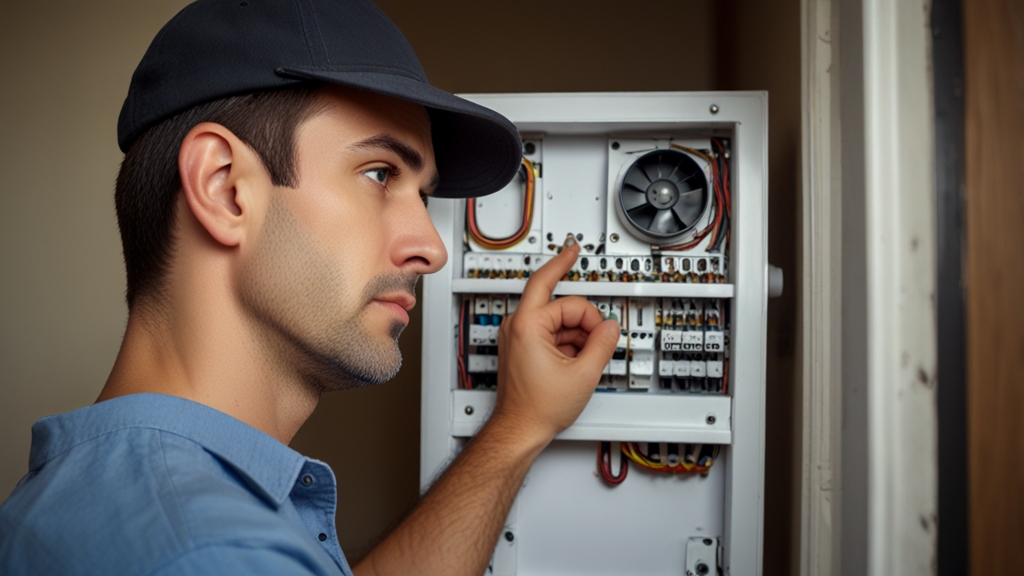
Electrical issues can pose serious safety hazards and should never be ignored. A qualified home inspector will evaluate your home’s electrical panel, wiring, outlets, and switches to ensure they meet current safety codes.
Key electrical checks include:
- Service panel capacity and condition
- Circuit breakers and fuses
- Grounding and bonding
- Outlet and switch functionality
- GFCI protection in bathrooms and kitchens
- Visible wiring and proper installation
- Presence of aluminum wiring (a fire hazard)
Electrical repairs can range from simple outlet replacements ($100-$200) to complete panel upgrades ($3,000-$6,000), so this inspection is particularly important.
Heating, Ventilation, and Air Conditioning (HVAC)
Most homes rely on an HVAC system for comfort and air quality. Inspectors will test your heating and cooling systems to ensure they operate properly. This inspection typically includes:
- Furnace or heat pump condition and age
- Air conditioning unit functionality
- Thermostat operation
- Ductwork and insulation
- Filter accessibility and condition
- Safety controls and combustion efficiency
A failing HVAC system can cost $5,000-$10,000 to replace, making this inspection section crucial for budgeting purposes.
Interior and Living Spaces
Home inspectors thoroughly examine all interior areas of the house. They’ll check walls, ceilings, floors, doors, and stairs for damage, improper construction, or safety concerns. This includes looking for:
- Drywall damage and moisture problems
- Flooring condition and safety hazards
- Doors and windows operation
- Signs of water damage or mold
- Proper ventilation in all rooms
- Accessibility and code compliance
Safety and Environmental Concerns
Modern home inspectors also screen for serious safety and environmental hazards. While some of these may require specialized testing, inspectors will note any visible concerns related to:
- Asbestos-containing materials
- Lead-based paint (in homes built before 1978)
- Mold and moisture issues
- Carbon monoxide concerns
- Radon presence
- Pest infestation or damage
Some of these issues may require additional specialized inspections, which typically cost $150-$400 each.
Kitchen and Bathroom Fixtures
Inspectors will test all kitchen and bathroom fixtures, including sinks, toilets, showers, and dishwashers. They check for proper drainage, water pressure, and functionality. Any missing fixtures or non-functional appliances should be noted in the inspection report.
Expert Tips for Home Buyers
When scheduling your home inspection, try to be present during the process. This allows you to ask questions and better understand any issues discovered. A typical home inspection lasts 2-4 hours and costs $300-$500 on average. For additional resources on understanding your inspection report, Realtor.com offers excellent guidance on interpreting inspection results.
Don’t view inspection findings as deal-breakers automatically. Instead, use them as negotiating tools. Request that the seller either make necessary repairs or offer a credit toward closing costs. Always take seriously any major structural, electrical, or plumbing issues that could affect safety or resale value.