
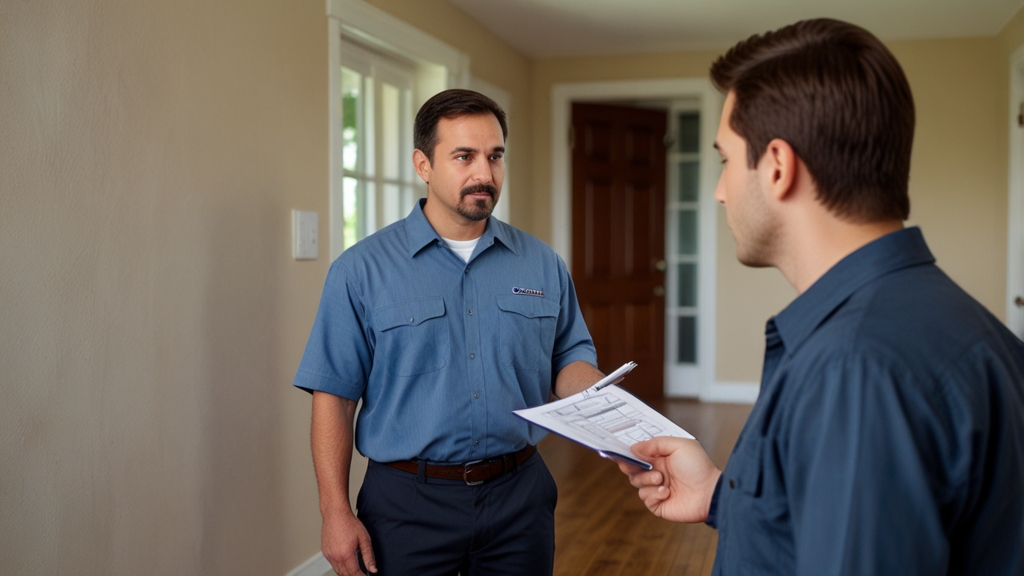
Should You Buy a House That Failed Inspection? A Buyer’s Guide to Making the Right Decision
Finding your dream home can be exciting, but the inspection report can quickly turn that excitement into doubt. If you’re facing a property that didn’t pass inspection, you’re not alone. Many buyers encounter homes with inspection issues, and the question becomes: is this house still worth buying? The answer isn’t always straightforward, but with the right knowledge and approach, you can make an informed decision that protects your investment.
Understanding What “Failed Inspection” Really Means
First, let’s clarify that inspections don’t technically result in a “pass” or “fail.” Instead, home inspectors provide a detailed report of the property’s condition, identifying issues ranging from minor cosmetic concerns to major structural problems. When people say a house “failed inspection,” they typically mean the report revealed significant defects that could affect the home’s safety, functionality, or value.
The key is understanding the severity of these issues. A missing weatherstripping on a window is vastly different from foundation cracks or outdated electrical wiring. Before making any decisions, carefully review the inspection report and categorize issues by urgency and cost to repair.
Evaluating the Cost of Repairs
One of the most critical steps in deciding whether to purchase a home with inspection issues is getting accurate repair estimates. Don’t rely solely on the inspector’s opinion—reach out to licensed contractors who specialize in the identified problems.
- Major structural issues: Foundation problems, roof damage, or water intrusion can cost $5,000 to $50,000+ to repair
- Systems replacement: HVAC, electrical, or plumbing issues typically range from $3,000 to $25,000
- Minor repairs: Caulking, weatherstripping, or small fixes may cost $100 to $1,000
Once you have repair estimates, calculate whether the home’s purchase price minus repair costs still represents good value compared to similar homes in the area. If you’re looking at a $300,000 home with $40,000 in repairs, you’re essentially paying $340,000 for that property—compare this to other listings in the neighborhood.
Negotiate With the Seller
A failed inspection doesn’t mean you should automatically walk away. Instead, use the report as a negotiating tool. You have several options:
- Request a price reduction: Ask the seller to lower the asking price to account for repair costs
- Ask for repairs: Require the seller to fix issues before closing, though ensure they use licensed contractors
- Request a credit at closing: The seller can provide funds at closing for you to handle repairs yourself
- Walk away: If negotiations fail and repairs are too costly, it’s perfectly acceptable to find another property
Many sellers are motivated to negotiate, especially if the property has been on the market for a while. A skilled real estate agent can help you present a compelling offer that reflects the inspection findings.
Consider the Hidden Costs of DIY Repairs
If you’re considering purchasing the home and handling repairs yourself, factor in more than just the contractor estimates. You’ll also need to account for:
- Potential cost overruns during repairs
- Time spent managing contractors and inspections
- Temporary housing if repairs are extensive
- Possible additional issues discovered during repair work
- Interest costs if you need to take on debt for repairs
Many first-time buyers underestimate these hidden costs. A repair project that seems straightforward can quickly become complicated and expensive. Be conservative in your estimates and always add a 10-20% contingency buffer.
Assess Your Financial Situation Honestly
Before committing to a home with inspection issues, honestly evaluate your financial capacity to handle repairs. Ask yourself:
- Do I have savings to cover repairs without relying on credit?
- Can I afford the mortgage payments plus repair costs?
- Am I comfortable living in the home while repairs are being made?
- Will necessary repairs affect my ability to refinance in the future?
Buying a home is already a significant financial commitment. Adding substantial repair costs on top can strain your budget and create financial stress. Make sure you’re comfortable with the total financial obligation before proceeding.
Check Your Financing Options
Some loan programs are more accommodating for homes needing repairs. Bankrate.com provides information about various loan types, including FHA loans and renovation mortgages that allow you to include repair costs in your financing. However, lenders may be hesitant to finance homes with significant structural issues, so clarify with your mortgage lender whether inspection findings will affect your loan approval.
The Red Flags You Cannot Ignore
Certain inspection findings should be serious red flags that prompt you to reconsider your purchase:
- Foundation issues: Cracks, settling, or water intrusion in the foundation are expensive and complex repairs
- Mold: Extensive mold issues require professional remediation and indicate moisture problems
- Outdated electrical systems: Knob-and-tube wiring or aluminum wiring pose fire hazards and insurance problems
- Asbestos or lead paint: These require professional abatement, which is costly and time-consuming
- Roof near end of life: A roof replacement costs $8,000 to $20,000+ and may affect your insurance
If the inspection reveals multiple serious issues, the property might be more trouble than it’s worth, regardless of price.
Trust Your Instincts
Beyond the numbers and reports, pay attention to your gut feeling. If a property makes you uncomfortable or feels like too much risk, that’s valuable information. There will always be other homes on the market. Don’t feel pressured to buy a problematic property just because you’ve already invested time in the process.
Final Thoughts
Purchasing a home with inspection issues isn’t inherently a bad decision—it can be a smart one if you approach it strategically. Get thorough repair estimates, negotiate effectively, understand your finances, and honestly assess whether you’re comfortable with the risks and costs involved. The best outcome is one where you feel confident about your purchase and prepared for whatever repairs lie ahead.