Mold in a House: What Buyers Need to Know
When you’re searching for your dream home, mold is probably not the first thing on your mind. However, it’s one of the most critical issues that home buyers should understand before making one of the biggest investments of their lives. Mold can affect your health, your home’s structural integrity, and your wallet. This guide will help you navigate mold concerns and make an informed decision about your potential new home.
Understanding Mold and Why It Matters
Mold is a type of fungus that thrives in damp, humid environments. While some mold is present in every home, excessive mold growth can become a serious problem. Unlike dust or minor cosmetic issues, mold can compromise your home’s foundation, insulation, and wooden structures. More importantly, it can trigger allergic reactions, asthma attacks, and respiratory issues in family members, particularly children and those with weakened immune systems.
The presence of mold doesn’t necessarily mean you should walk away from a property, but it does mean you need to understand the extent of the problem and the costs associated with remediation.
Common Signs of Mold in Homes
Before you make an offer on a house, learn to identify the warning signs of mold:
- Visible discoloration: Black, green, or white spots on walls, ceilings, or around windows
- Musty odors: A distinctive earthy smell often indicates hidden mold growth
- Water damage: Stains, peeling paint, or warped walls suggest moisture problems that promote mold
- Bathroom and basement issues: These areas are most susceptible due to moisture and humidity
- Previous water damage: Flooding, leaks, or water intrusion history significantly increases mold risk
- Poor ventilation: Inadequate ventilation in kitchens and bathrooms creates ideal mold conditions
The Home Inspection and Mold Testing
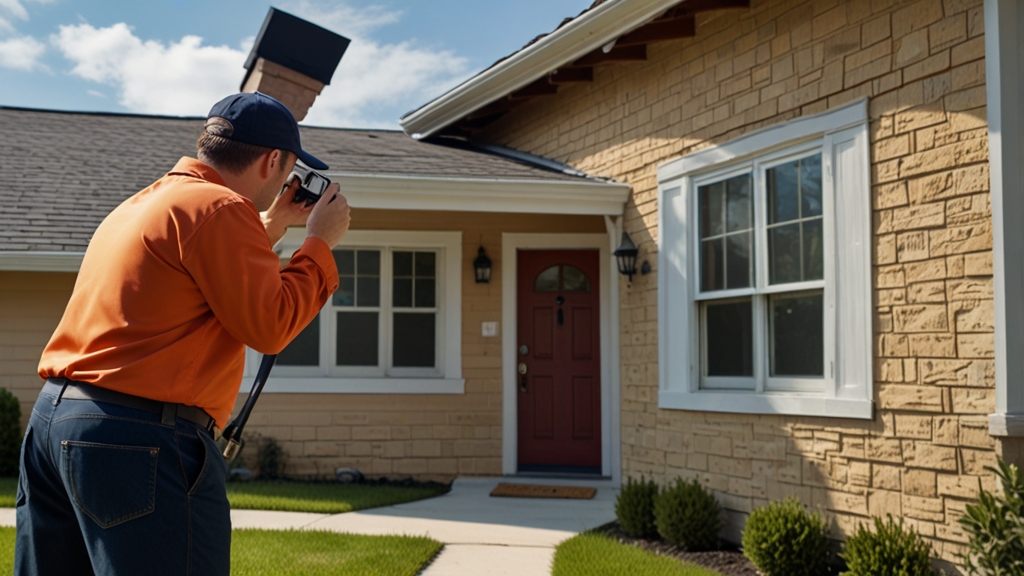
Your home inspection is the perfect opportunity to investigate mold concerns. A qualified home inspector will look for visible signs of mold and moisture issues during their walkthrough. However, standard home inspections may not include professional mold testing.
If you notice potential mold signs during your home tour or inspection report, consider hiring a specialized mold inspector. Professional mold testing typically costs between $400 to $800, but it’s a worthwhile investment. These experts use specialized equipment to detect hidden mold behind walls and in crawl spaces. They can also identify the type of mold present, which is important because some species are more hazardous than others.
Many buyers make mold testing a contingency in their purchase agreement, allowing them to walk away or negotiate if significant mold is discovered.
Health Risks Associated with Mold
Understanding the health implications helps you take this issue seriously. Common health effects from mold exposure include allergic reactions, asthma exacerbation, respiratory infections, and skin irritation. People with compromised immune systems face even greater risks. Young children and elderly family members are particularly vulnerable.
If anyone in your household has mold sensitivity or respiratory issues, mold remediation becomes even more critical. This should factor heavily into your decision-making process and negotiation strategy.
Remediation Costs: What to Expect
Mold remediation costs vary dramatically depending on the extent of the problem. Small surface-level mold in a single bathroom might cost $500 to $2,000 to remove. However, extensive mold growth affecting multiple areas or requiring structural repairs can run $5,000 to $30,000 or more.
If mold has penetrated insulation, drywall, or wooden framing, costs escalate significantly. Complete remediation requires identifying and fixing the underlying moisture source, removing affected materials, and preventing future growth. This isn’t a cosmetic fix—it’s a serious structural concern that demands professional attention.
Always get multiple quotes from certified mold remediation companies. The Environmental Protection Agency (EPA) recommends professional remediation for mold growth larger than 10 square feet.
Negotiation Strategies
If mold is discovered, you have several negotiation options. First, you can request that the seller address the problem before closing, with a licensed professional handling the work. Second, you can ask for a price reduction to cover remediation costs yourself. Third, you can request a credit at closing, allowing you to hire your preferred contractor. Some buyers choose to walk away entirely if remediation costs are prohibitive.
The best strategy depends on the mold’s severity, your financial situation, and local real estate market conditions. In buyer-favorable markets, sellers are often more willing to make concessions. In competitive markets, you may have less leverage.
Prevention and Maintenance Tips
Once you purchase a home, preventing mold growth is crucial:
- Monitor humidity levels—keep indoor humidity between 30% to 50%
- Use exhaust fans in bathrooms and kitchens to remove excess moisture
- Fix plumbing leaks immediately, no matter how small they seem
- Grade your yard away from your foundation to prevent water pooling
- Clean gutters regularly to ensure proper water drainage
- Improve ventilation throughout your home, especially in basements and crawl spaces
- Use dehumidifiers in naturally damp areas
- Insulate pipes to prevent condensation
Your Next Steps
As you search for your next home, don’t overlook mold concerns. Research the property’s history—ask about previous water damage or flooding. Inspect basements, bathrooms, and attics carefully during your showing. Include professional mold testing in your inspection contingencies, especially if you notice any warning signs.
Take advantage of resources like Zillow, where you can research neighborhoods and property histories. However, always conduct your own thorough investigation.
Mold is a manageable issue if caught early and addressed properly, but ignoring it can lead to significant health problems and costly repairs. By educating yourself, conducting thorough inspections, and negotiating strategically, you can protect both your investment and your family’s wellbeing. Your dream home should be a healthy home—make sure mold concerns don’t compromise that goal.